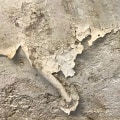
A smooth paint finish begins long before the first coat of paint is applied. Professional painting services typically start by examining the condition of the walls to identify cracks, dents, peeling paint, nail holes, stains, and uneven areas. These imperfections can become more noticeable after painting if they are not corrected beforehand. A detailed inspection allows painters to determine what preparation is needed and whether any drywall repairs should be completed first. Taking care of surface problems early helps create a more consistent base and reduces the chance of visible defects showing through the finished paint.
Repairing Cracks and Holes
Small holes, dents, and cracks are common on interior walls, especially in rooms that have been occupied for several years. These areas may be filled with patching compound or joint compound and then allowed to dry before being sanded smooth. Larger damaged sections may require more extensive drywall repair. Professionals such as Simons Painting & Drywall Connecticut Shoreline may be involved when wall preparation includes both painting and drywall-related work. Addressing these defects before painting helps prevent uneven textures and gives the finished surface a cleaner, more uniform appearance.
Sanding for a More Even Surface
Sanding is an important part of wall preparation because it helps smooth patched areas, rough spots, and previous paint imperfections. It can also reduce raised edges caused by old paint drips or minor surface damage. Painters may use sanding blocks, pole sanders, or powered equipment depending on the size and condition of the area. The goal is not necessarily to remove all existing paint but to create a surface that feels even and allows new coatings to adhere properly. After sanding, dust should be thoroughly removed so it does not become trapped beneath the paint.
Cleaning the Walls
Walls can collect dust, grease, fingerprints, smoke residue, and other contaminants over time. Painting directly over a dirty surface can affect adhesion and may cause stains or uneven areas to appear through the finish. Kitchens and high-traffic spaces often require extra cleaning because grease and grime tend to accumulate more quickly. Professional painters may use appropriate cleaning solutions based on the wall condition and existing paint. Once cleaned, the walls should be given enough time to dry before primer or paint is applied.
Using Primer When Needed
Primer can help create a more consistent surface before painting, particularly when walls have been repaired, stained, or previously painted in a dark color. Patched areas may absorb paint differently from the surrounding wall, resulting in noticeable variations in sheen or color. Primer helps seal these sections and creates a more uniform base. Certain primers can also help block stains or improve adhesion on difficult surfaces. Choosing the right primer for the wall condition can contribute to better coverage and a smoother final appearance.
Protecting Surrounding Areas
Preparation also includes protecting areas that are not being painted. Floors, trim, windows, light fixtures, and furniture may be covered with drop cloths, plastic sheeting, or painter's tape. Removing outlet covers and other small fixtures can make it easier to create clean edges. Careful masking and protection allow painters to work efficiently while minimizing accidental splatters and uneven lines.
Creating a Professional-Looking Finish
Proper wall preparation can make a significant difference in the final appearance of a painted room. Repairing damage, sanding uneven areas, cleaning surfaces, applying primer, and protecting nearby features all contribute to smoother and more consistent results. While these preparation steps may take additional time, they help paint adhere properly and reduce visible imperfections. A carefully prepared wall provides the foundation for an attractive finish that can maintain its appearance for years to come.