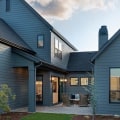
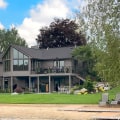
House painting projects are often viewed as cosmetic upgrades designed to improve curb appeal, refresh aging surfaces, and protect exterior materials from weather exposure. While selecting paint colors, finishes, and siding preparation methods are important parts of the process, one area that homeowners frequently overlook is the condition of the roof above the newly painted surfaces. Roofing systems and exterior paint performance are closely connected because roofs play a major role in controlling moisture, drainage, ventilation, and environmental exposure throughout the home. If roofing problems are present before a painting project begins, newly painted surfaces may experience premature damage caused by water intrusion, excess humidity, or drainage failures that originate at the roof level.
A roof serves as the home’s primary barrier against rain, snow, humidity, and temperature fluctuations. When shingles deteriorate, flashing fails, gutters overflow, or ventilation systems become ineffective, moisture can gradually spread into walls, trim, siding, and structural materials beneath the surface. Homeowners may invest heavily in repainting exterior walls without realizing that hidden roof-related moisture issues are already affecting the structure underneath. Fresh paint applied over moisture-compromised surfaces often begins peeling, bubbling, cracking, or fading much sooner than expected. In many cases, the paint itself is not the problem; instead, ongoing water intrusion from the roofing system continues damaging the underlying materials after the painting work has been completed.
Moisture Intrusion and Premature Paint Failure
One of the biggest reasons homeowners should evaluate roof condition before painting is to identify hidden moisture problems early. Roof leaks rarely remain isolated to the attic or ceiling area. Water entering through damaged roofing materials may travel along framing systems, wall cavities, insulation, or structural supports before becoming visible around siding or trim. This hidden moisture can weaken wood surfaces, increase mold growth, and reduce the ability of paint to bond properly with exterior materials. Even if walls appear dry from the outside, trapped moisture beneath the surface can eventually force paint to blister or separate as temperatures and humidity levels fluctuate.
Roof drainage systems are another critical factor affecting paint longevity. Clogged gutters, damaged downspouts, or poorly directed runoff can repeatedly expose exterior walls and trim to excessive water during storms. Over time, this constant moisture exposure may contribute to staining, mildew buildup, wood deterioration, and accelerated paint wear. Roofing professionals often inspect gutters, flashing, and drainage patterns to ensure water is being directed safely away from exterior surfaces before repainting begins. A company such as A1 Roofing Services Mason City may evaluate roof drainage systems and moisture vulnerabilities to help homeowners reduce the risk of future paint damage caused by unresolved roofing issues.
Ventilation, Structural Protection, and Long-Term Value
Attic ventilation also influences how well exterior paint performs over time. Poor roof ventilation can trap heat and humidity within the attic, increasing moisture levels throughout the structure. Excess humidity may gradually migrate into wall systems and exterior materials, placing stress on paint coatings and contributing to hidden structural deterioration. Proper roof ventilation helps regulate temperature and moisture levels inside the home while protecting both roofing materials and painted surfaces from long-term environmental stress.
Another important reason to inspect the roof during house painting projects is to avoid future repair disruptions. If roofing leaks or structural moisture problems are discovered shortly after repainting is completed, contractors may need to remove or disturb newly painted materials to access damaged areas. This can increase repair costs and reduce the lifespan of the painting investment. Addressing roofing concerns before repainting allows homeowners to create a more stable and moisture-resistant environment that supports longer-lasting paint performance.
Exterior paint does far more than improve appearance; it also serves as a protective barrier for siding, trim, and structural materials. However, paint can only perform effectively when the underlying roofing and drainage systems are functioning properly. By evaluating roof condition before investing in house painting projects, homeowners can help prevent hidden moisture damage, improve paint longevity, and protect the long-term structural integrity and appearance of the entire property.