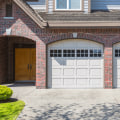
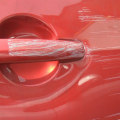
The condition of a building's exterior is often judged by its appearance, but structural engineers understand that well-maintained exterior surfaces contribute to much more than curb appeal. Siding, brick, stucco, concrete, masonry, paint, sealants, and other exterior finishes serve as the first line of defense against weather, moisture, temperature fluctuations, and environmental wear. When these protective surfaces are properly maintained, they help preserve the structural components hidden beneath them by limiting water intrusion, reducing material deterioration, and supporting the long-term performance of the building. Conversely, neglected exterior surfaces can allow small maintenance issues to develop into larger structural concerns over time. Cracked sealants, damaged siding, deteriorating mortar joints, or peeling protective coatings may initially seem cosmetic, but they can create pathways for moisture that eventually affect framing, insulation, and other essential building elements. For structural engineers, maintaining exterior surfaces is an important part of preserving the integrity and service life of the entire structure.
Exterior Maintenance Protects Structural Systems
Every building is continuously exposed to environmental forces that gradually affect its exterior materials. Rain, wind, ultraviolet radiation, seasonal temperature changes, and airborne contaminants all contribute to normal wear over time. Structural engineers recognize that regular maintenance helps slow this natural aging process and reduces the likelihood of hidden damage developing beneath exterior finishes. Routine inspections of siding, masonry, concrete surfaces, expansion joints, caulking, and protective coatings make it possible to identify early signs of deterioration before they allow moisture to penetrate the building envelope. Water intrusion remains one of the most common causes of structural deterioration because prolonged moisture exposure can weaken wood framing, corrode metal components, reduce insulation effectiveness, and encourage mold growth. Companies such as Open Concept Engineering understand that protecting structural systems involves more than designing strong buildings—it also requires maintaining the exterior barriers that shield those structures from daily environmental exposure. Preventive maintenance supports long-term engineering performance by reducing unnecessary stress on the building's structural framework.
Preventing Small Problems from Becoming Major Repairs
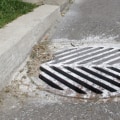
Well-maintained exterior surfaces also make it easier to detect developing issues before they require extensive repairs. Hairline cracks in concrete, loose masonry joints, deteriorating flashing, or damaged exterior trim may indicate conditions that deserve further evaluation. Addressing these concerns early often prevents moisture infiltration, freeze-thaw damage, or progressive deterioration that could eventually compromise larger structural components. Exterior cleaning also contributes to effective maintenance by removing dirt, mildew, algae, and debris that can conceal defects or accelerate material wear. In commercial and residential properties alike, routine maintenance provides opportunities to inspect drainage systems, gutters, downspouts, roofing transitions, and foundation connections that influence the overall performance of the building envelope. Engineers appreciate this proactive approach because early intervention is typically more cost-effective than correcting structural damage after it has progressed significantly. Regular upkeep helps preserve both the visible appearance and hidden strength of the property.
Long-Term Value Through Preventive Care
Maintaining exterior surfaces is one of the most practical ways property owners can protect the long-term value and performance of their investment. Buildings that receive consistent care generally experience fewer structural repairs, lower maintenance costs, and improved durability throughout their lifespan. Well-preserved exterior materials also contribute to better energy efficiency by supporting effective insulation and reducing unwanted moisture infiltration. Property owners benefit from enhanced curb appeal, improved occupant comfort, and greater confidence that their building remains protected against changing weather conditions. Routine maintenance, including cleaning, repainting, sealing, repairing damaged finishes, and inspecting vulnerable areas, complements the work of engineers by preserving the systems they are designed to protect. Ultimately, structural engineers appreciate well-maintained exterior surfaces because they represent an ongoing commitment to responsible property stewardship. By caring for the building envelope through consistent preventive maintenance, homeowners and property managers help ensure that the underlying structural framework remains safe, resilient, and capable of performing reliably for many years while minimizing the need for costly corrective repairs in the future.